By Jordan Queira
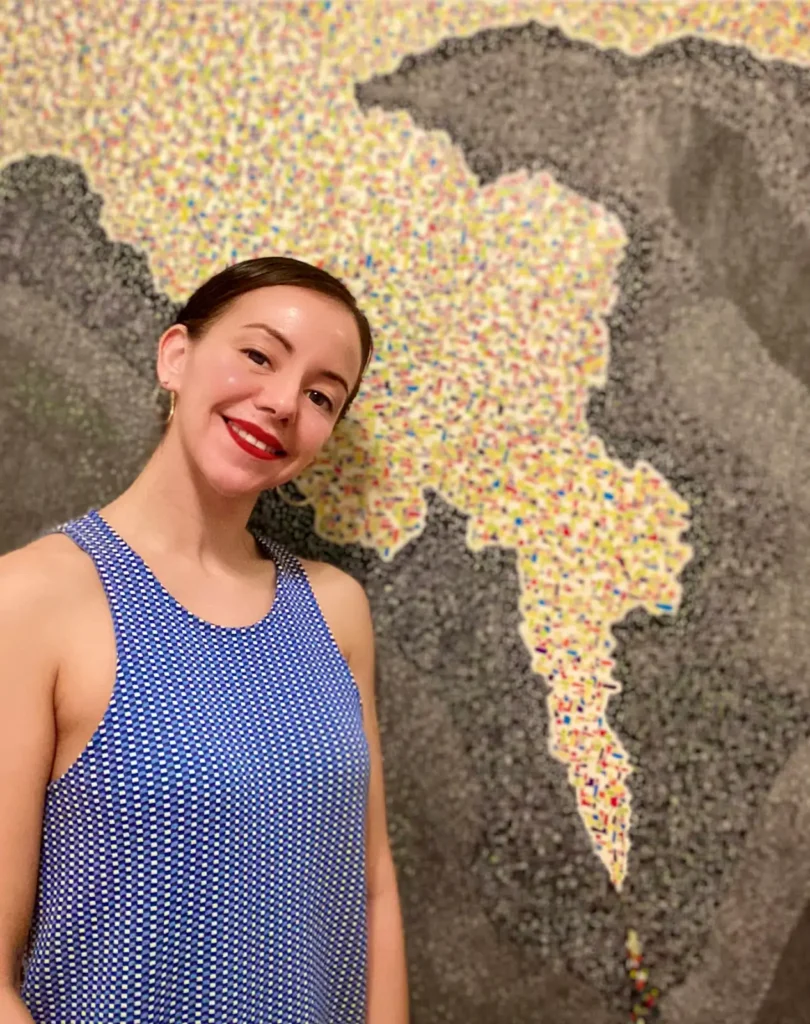
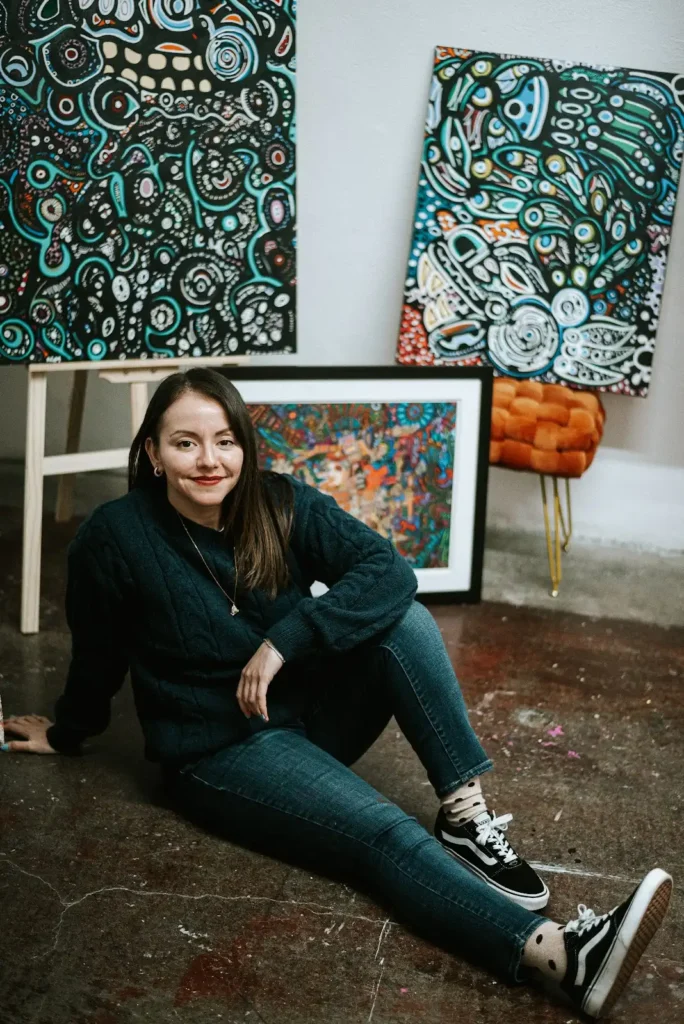
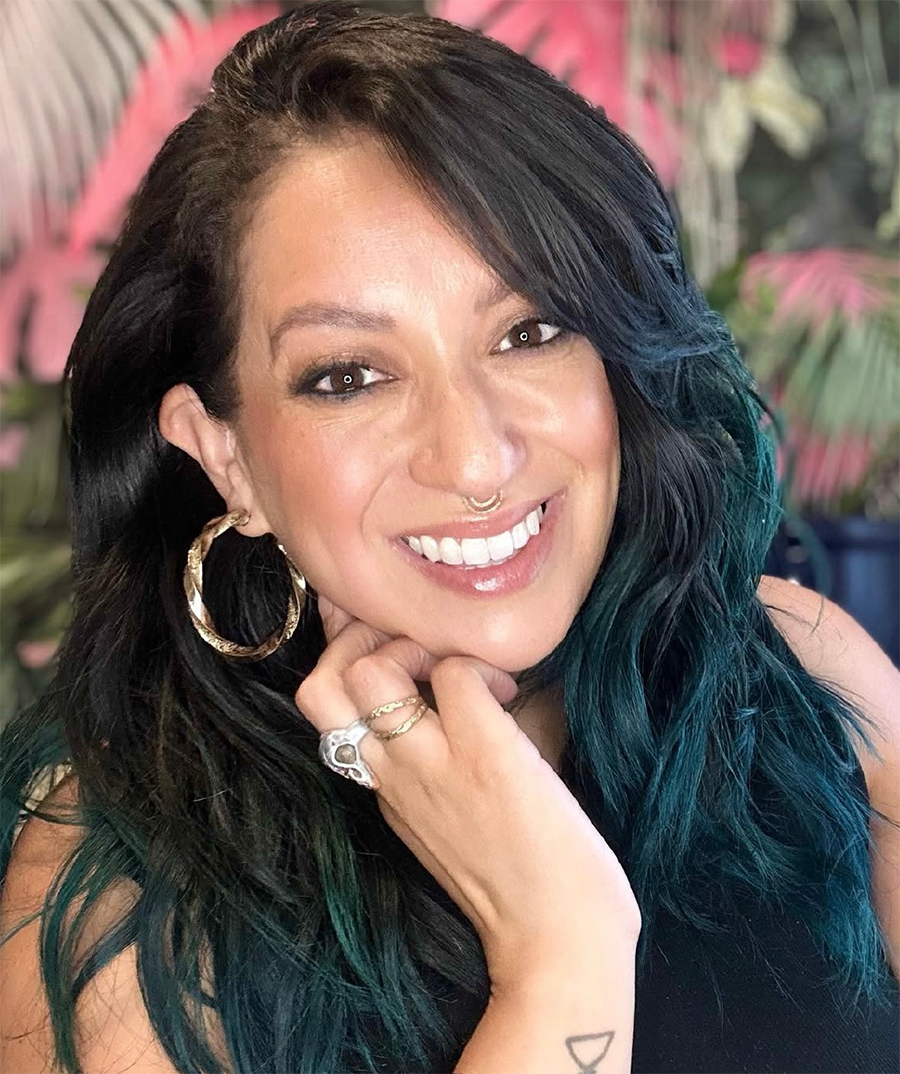
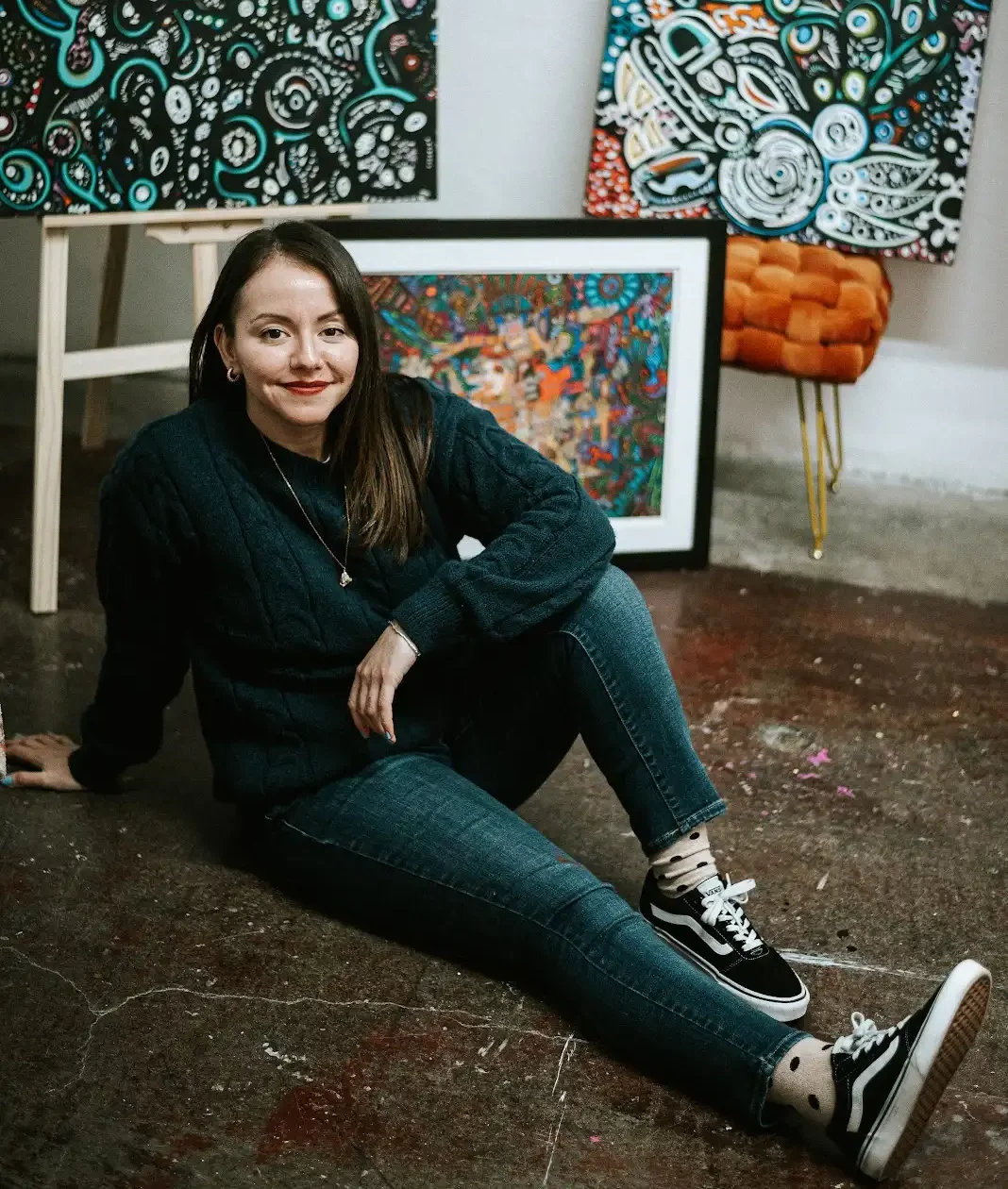
For Rocio G Montiel, abstract art is not a stylistic choice — it is a language. One shaped by emotion, patience, cultural memory, and resilience. Her work, often described as geometric and meticulously detailed, operates in a space where structure and feeling coexist, forming what she calls “an organized chaos of the mind.”
“I’m a visual artist, and I’m deeply passionate about abstract art,” Montiel says. “Abstract art is my love — it’s the way I express myself and connect with life.”
Born and raised in Baja California, specifically between Tijuana and Mexicali, Montiel credits her cultural roots as a foundational influence on her visual language. “If I translate what inspired me from where I’m from — my culture, my people — it’s happiness and color,” she explains. “That’s something that really shows up in my work, especially through my use of color.”
From an early age, art was never a casual pastime. Drawing and painting were a form of inner connection — a personal refuge that stayed with her through every stage of life. “Art has always been present for me,” she reflects. “From my earliest memories, it wasn’t just a hobby. It was a way to connect with myself.”
Though her creative practice lived quietly alongside other life paths for years, a pivotal shift came in 2020, when Montiel moved to Los Angeles amid the global pandemic. The isolation of that period, rather than stalling her work, sharpened it. “That moment became a catalyst for my practice,” she says. “It gave me clarity and helped me approach my work more intentionally and professionally.”
Los Angeles proved transformative — not only as a creative hub, but as a place rooted in the artistic community. “What really motivated me was the sense of community here,” Montiel explains. “There are so many artists, so many cultures, and people genuinely supporting one another. That was incredibly inspiring.”
Despite LA’s reputation as a competitive art scene, Montiel approaches visibility with calm confidence. “I believe there is art for everybody,” she says. “Your work will resonate with the people it’s meant to resonate with. There’s space for every artist.”
Her own experience reflects that belief. Rather than being overwhelmed, she found connection — with collectors, audiences, and fellow artists alike. “Visibility isn’t just about collectors,” she notes. “It’s also about connecting with other artists, building relationships, and creating something together.”
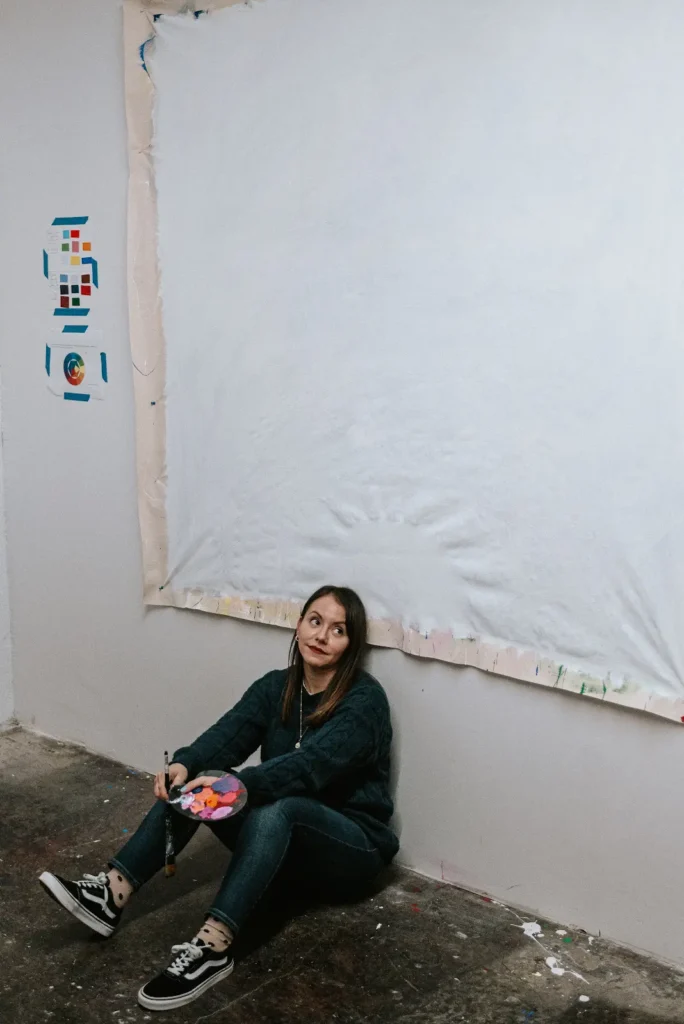
That philosophy extends deeply into her creative process. Montiel’s work is emotionally driven, often tied closely to mental health and inner states. While deeply rewarding, the process can be demanding. “Sometimes the creative process feels more like a burden than joy,” she admits. “My work is very detailed and precise. Small mistakes can throw off an entire composition, and fixing them takes time and patience.”
Yet patience itself has become one of the most profound lessons her practice has taught her. “Through my art, I’ve learned that I’m resilient,” she says. “My work speaks a lot about emotions, about going through difficult times and learning how to build resilience through them.”
Abstract art, for Montiel, is not about control or explanation. Ambiguity is intentional. “I don’t want to give a specific answer through my work,” she explains. “I like being ambiguous. I want people to feel free to interpret the work in their own way.”
That freedom — both for the artist and the viewer — is what she finds most rewarding. “The viewer doesn’t need to fully understand or agree with my message,” she says. “What matters is that they connect. That’s what gives me the most satisfaction.”
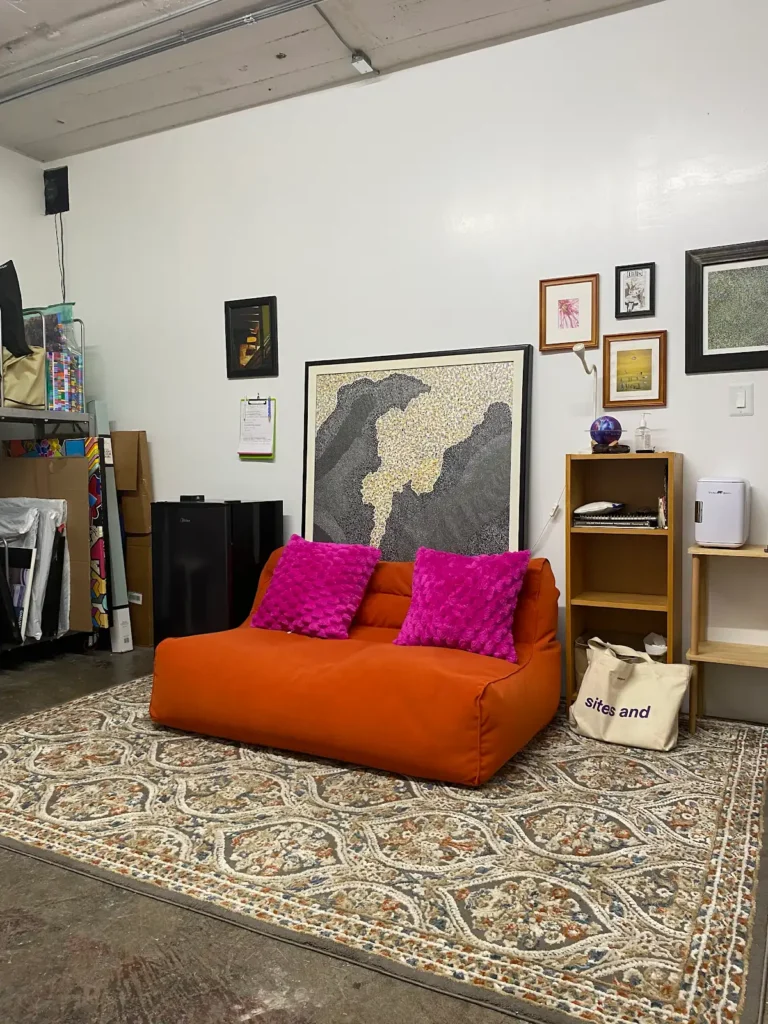
Community has become central to Montiel’s practice, particularly through her involvement with Studio 216, a collective she shares with four other artists. Together, they exchange ideas, support one another’s work, and actively create opportunities for emerging artists. “We share our practices, our experiences, and our inspirations,” she says. “But beyond that, we’re building something for the community.”
The collective’s focus extends into curation and open calls, creating space for other artists to exhibit, collaborate, and grow. “I’ve discovered a passion for helping build platforms for other artists,” Montiel explains. “We know the struggles. We know the process. Being able to support others through it is incredibly meaningful to me.” Looking ahead, Montiel envisions a future that balances personal practice with broader involvement in the art world. She plans to pursue a master’s degree in art history, deepen her curatorial work, and continue building community — all while maintaining her own studio practice. “Art will always be part of my life,” she says. “But being part of a community and helping other artists feels like a calling.”
Ultimately, Montiel hopes her work offers viewers space rather than certainty. “I don’t seek absolute clarity in expression,” she says. “I want my art to invite reflection — an exploration of emotion, thought, and self. I want people to feel free to connect with it in whatever way they need at that moment.”
Follow Rocio on INSTAGRAM @rgmartist